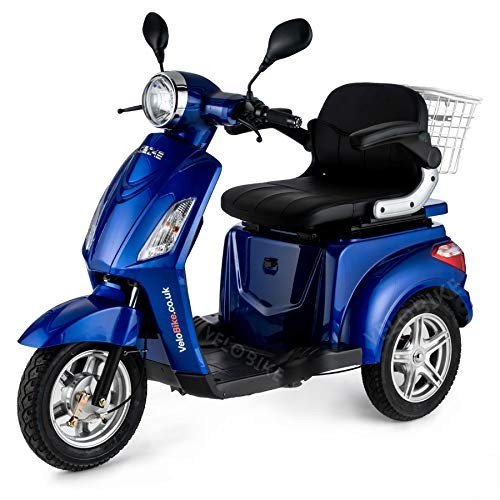
Navigating the World of Mobility Scooters in the UK
Mobility scooters have actually become a vital tool for many in the United Kingdom, using a practical and dignified service for people with mobility problems. find more information improve the lifestyle for their users however likewise supply a sense of independence and liberty. This detailed guide intends to offer an overview of mobility scooters in the UK, including their benefits, types, acquiring considerations, and maintenance tips.
Introduction to Mobility Scooters
A mobility scooter is a battery-powered automobile created to help individuals with walking difficulties or minimal mobility to walk around more quickly. Unlike manual wheelchairs, which require significant physical effort, mobility scooters are simple to operate and can be used both indoors and outdoors. They are particularly helpful for older adults and people with specials needs, permitting them to travel longer distances and navigate numerous surfaces with ease.
Advantages of Mobility Scooters
Self-reliance and Freedom
- Mobility scooters empower users to take a trip individually, lowering the requirement for help from others.
- They can be used for day-to-day activities such as shopping, visiting good friends, or attending social occasions.
Cost-efficient
- While there are initial costs, mobility scooters can be a cost-effective alternative to other mobility help, particularly over time.
- Many designs are available for rent or lease, offering versatility for users with varying requirements.
Convenience and Safety
- Scooters are developed with ergonomic seats and adjustable features to ensure comfort during extended periods of use.
- Security features such as lights, horns, and braking systems enhance user self-confidence and security.
Social Inclusion
- By allowing individuals to get involved in community activities, mobility scooters promote social inclusion and decrease sensations of isolation.
Health Benefits
- Routine use of a mobility scooter can assist maintain physical health by motivating users to remain active and engaged.
Types of Mobility Scooters
Mobility scooters in the UK come in different types, each created to cater to different needs and preferences:
Class 2 Scooters (Pavement Scooters)
- Speed: Up to 4 miles per hour
- Use: Designed for use on pavements and within indoor spaces
- Benefits: Compact and light-weight, perfect for short distances and day-to-day errands
Class 3 Scooters (Road and Pavement Scooters)
- Speed: Up to 8 mph on roads and 4 miles per hour on pavements
- Use: Suitable for longer journeys and can be used on both roadways and pavements
- Benefits: More robust and capable of handling various terrains, including rough surface areas and inclines
Off-Road Scooters
- Speed: Varies, but typically greater than Class 2 and Class 3 scooters
- Usage: Designed for off-road usage, including parks, routes, and irregular surface areas
- Advantages: Enhanced durability and traction, ideal for daring users
Travel Mobility Scooters
- Speed: Varies, however typically approximately 4 miles per hour
- Use: Portable and easy to take apart for transport
- Advantages: Perfect for users who travel frequently and need a portable solution
Getting Considerations
When buying a mobility scooter, a number of elements ought to be considered to ensure the very best fit for the user's requirements:
User's Physical Condition
- Weight Capacity: Ensure the scooter can support the user's weight.
- Height and Reach: Choose a model that is adjustable to fit the user's height and reach easily.
Meant Use
- Indoor/Outdoor: Determine if the scooter will be utilized mostly inside your home, outdoors, or both.
- Terrain: Consider the kind of terrain the user will navigate, consisting of any hills or rough surface areas.
Battery Life and Range
- Battery Type: Lithium-ion batteries are normally more effective and longer-lasting than lead-acid batteries.
- Variety: Check the scooter's range to guarantee it fulfills the user's daily travel needs.
Safety Features
- Brakes: Look for scooters with trustworthy braking systems.
- Lights and Horns: Essential for visibility and notifying others.
Warranty and Customer Support
- Warranty: Ensure the scooter features a detailed service warranty.
- Customer Support: Choose a credible manufacturer with excellent customer support and support.
Maintenance and Safety Tips
Correct maintenance is essential to guarantee the longevity and safety of a mobility scooter:
Regular Battery Checks
- Charging: Always keep the battery credited prevent deep discharge.
- Cleansing: Keep the battery compartment tidy and totally free from dirt and moisture.
Tire Maintenance
- Inflation: Regularly check and maintain appropriate tire pressure.
- Assessment: Inspect tires for wear and damage, replacing them as required.
Tidy and Lubricate
- Cleaning: Wipe down the scooter routinely to keep it devoid of dirt and gunk.
- Lubrication: Lubricate moving parts to prevent rust and ensure smooth operation.
Safety Checks
- Brakes: Test the brakes routinely to ensure they are working properly.
- Lights and Horns: Check that all security functions are functional.
Follow Manufacturer Guidelines
- Manual: Refer to the user handbook for particular maintenance directions.
- Service: Schedule regular service contact a qualified technician.
Regularly Asked Questions (FAQs)
Can anybody use a mobility scooter?
- No, only people with a medical requirement or disability are qualified to utilize a mobility scooter on public roadways and pavements in the UK. However, they can be used by anybody on personal property.
Do I need a license to drive a mobility scooter?
- No, a license is not needed to use a Class 2 or Class 3 mobility scooter. Nevertheless, users should be over 14 years of ages and have a real need for the scooter due to a disability or medical condition.
How quickly can a mobility scooter go?
- Class 2 scooters have an optimal speed of 4 miles per hour, while Class 3 scooters can reach up to 8 mph on roads and 4 mph on pavements.
Can I take a mobility scooter on public transport?
- Some public transportation, such as trains and buses, might permit mobility scooters, but it depends on the specific service and the size of the scooter. It's best to contact the transport supplier ahead of time.
What is the life expectancy of a mobility scooter?
- With proper upkeep, a mobility scooter can last several years, typically between 5 and 10 years.
Can I get financial support to buy a mobility scooter?
- Yes, financial help might be available through the Disabled Facilities Grant (DFG), local authorities, or charitable organizations. In addition, some insurance providers might cover part of the cost.
Mobility scooters are an important help for individuals with mobility concerns in the UK, using a series of benefits from increased self-reliance to improved social involvement. By considering the user's requirements, the desired use, and the scooter's features, one can select the best model to boost their quality of life. Routine upkeep and adherence to safety standards are essential to make sure the scooter remains a reputable and safe mode of transportation. For those who certify, financial support may be available to make the purchase more economical. Whether for daily usage or periodic getaways, a mobility scooter can substantially improve the user's ability to navigate the world with self-confidence and ease.
Extra Resources
- Mobility Aids UK: A thorough directory site of mobility help and scooters.
- NHS Choices: Information on mobility aids and monetary support.
- Disability Living Allowance (DLA): Guidance on obtaining financial backing for disability-related expenditures.
By checking out these resources and considering the points laid out in this guide, people can make an educated decision about buying and using a mobility scooter in the UK.